
Aviation & Aerospace Copywriting
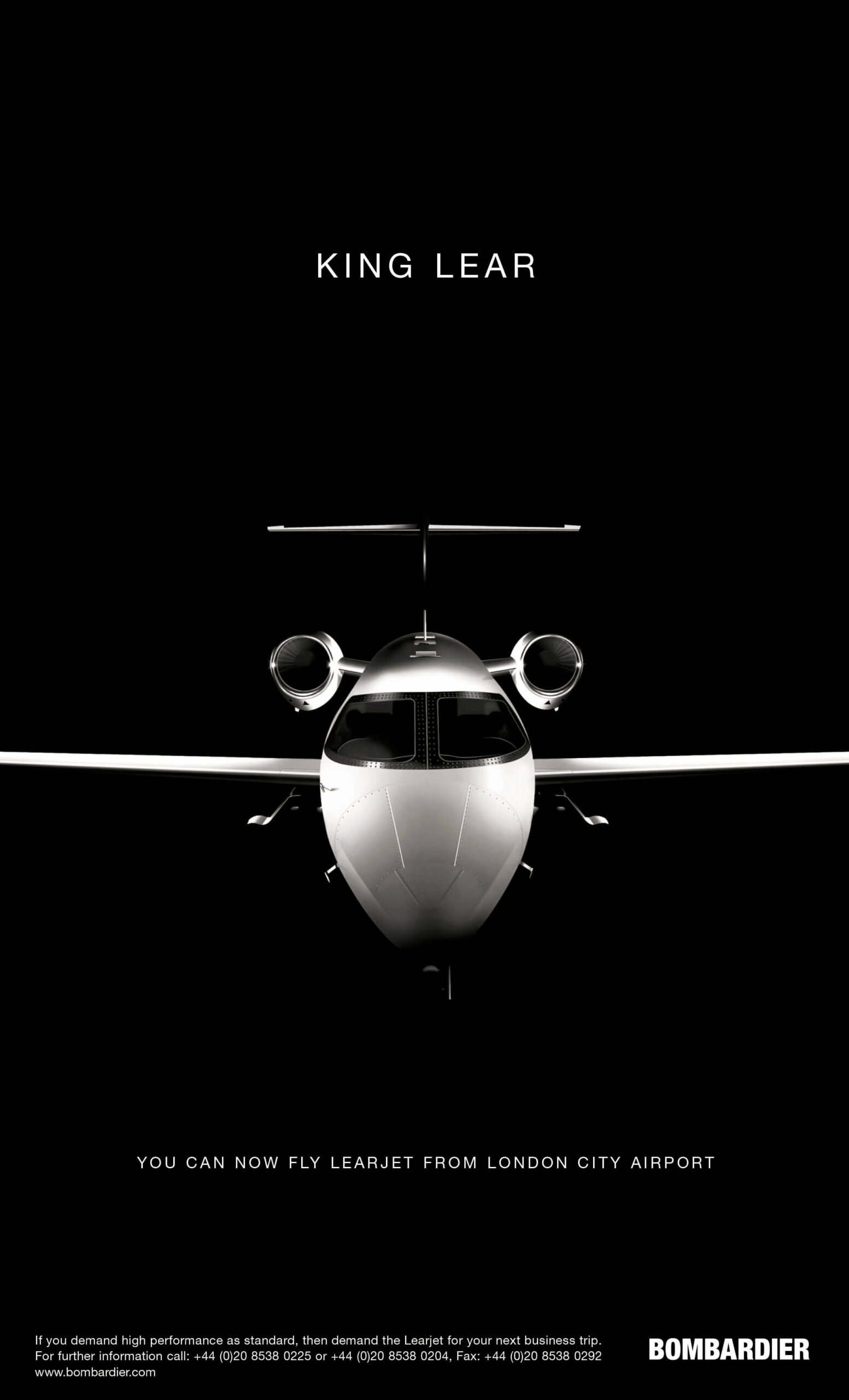
The engineering may be complicated. The explanation shouldn’t be.
Aviation and aerospace are rather good at making complicated things work. Aircraft that carry hundreds of passengers across continents. Engines built to extraordinary tolerances. Satellites travelling thousands of miles above the Earth. Materials designed to survive conditions most of us will fortunately never experience.
Explaining the technology can be another matter.
Aerospace copywriting often involves translating years of specialist knowledge into something a customer, investor, procurement team or potential partner can understand. Not by removing the important technical details, but by organising them, explaining what they mean and giving the reader a reason to care.
I’ve been writing professionally for 30 years, including aviation and aerospace websites, advertising, brochures, reports and technical marketing communications. My clients have included Bombardier, easyJet, TUI Airways, Orbex, Meggitt, Dassault Systèmes, EADS Matra Datavision, SERCO, GravitiLab, AliceBlu Aero, Raptor Aerospace, Birmingham International Airport and Alcon Precision Engineering.
That’s quite a range of organisations. Which is precisely the point.
Aviation and aerospace aren’t quite the same thing
An airline has a different story to tell from an aircraft manufacturer. An airport operator isn’t selling the same thing as an aerospace engineering company. A satellite launch business has different audiences and objectives from a maintenance, repair and overhaul provider.
Others need to understand what the technology makes possible, what problem it solves or why one approach might be preferable to another.
Good aerospace and aviation copywriting starts by establishing who’s reading and what they need to know. Not by making everything sound as though it belongs in an aircraft brochure.
Your engineers know the answers. I ask the questions.
Aerospace businesses contain an extraordinary amount of specialist knowledge. Much of it lives inside engineers, researchers, technicians and product specialists who are rather busy doing the work. That knowledge doesn’t always arrive in the marketing department neatly organised into headlines, benefits and explanatory paragraphs.
I’ll research the subject, examine the available material and speak to the people who understand it.
What does this system actually do? How does it differ from the alternatives? Which features matter commercially? What can we substantiate? What would a technically informed customer want to know?
My background in journalism is useful here. I’m comfortable interviewing experts, recognising what’s interesting and asking for another explanation when the first one assumes rather more knowledge than the reader possesses.
The aim isn’t to turn me into an aerospace engineer. It’s to make sure the engineer’s expertise survives the journey into the finished copy.
Precision isn’t just a matter of engineering
In aviation and aerospace, a small distinction can have considerable significance.
A capability that’s planned isn’t necessarily available. A system that’s been tested isn’t automatically certified. A projected performance figure isn’t an established result. And compliance with a particular standard may require considerably more qualification than a marketing headline conveniently allows.
I work from approved technical information, question unsupported claims and involve the appropriate specialists when something needs verification. I also recognise that some information may be commercially sensitive, restricted or subject to formal approval.
Persuasive writing shouldn’t require creative interpretation of the facts. Particularly when the facts concern something that flies.
Different audiences. Different conversations.
A passenger choosing an airline may care about destinations, convenience, service and reassurance.
An aerospace procurement manager may be more interested in manufacturing capabilities, quality systems, delivery performance and long-term supplier reliability. Investors may want to understand the technology, market opportunity and commercial strategy. An engineer will probably want rather more than a paragraph about innovation.
The language, level of detail and emphasis need to change accordingly.
I’ve written for consumer-facing aviation businesses and specialist aerospace companies, adapting the language without making it unnecessarily technical or suspiciously enthusiastic.
Clarity isn’t the enemy of sophistication.
The interesting part isn’t always the invention
Aerospace marketing is understandably fond of innovation. But explaining what’s new is only part of the job. Why was the development necessary? What problem did it solve? What compromises were involved? How does it improve an existing process, product or capability?
Sometimes the most persuasive story concerns a manufacturing improvement, an operational challenge or a technical decision that wouldn’t look particularly exciting in a photograph.
That doesn’t make it uninteresting.
It simply means the writing has some work to do. I look for the substance behind the announcement and build the story around what genuinely matters to its audience.
Aviation and aerospace copywriting services
I write for aircraft manufacturers, aerospace suppliers, airlines, airports, engineering companies, technology businesses and organisations across the wider aviation and space industries. Projects can include:
- Aviation and aerospace website copy
- Aircraft and engineering brochures
- Advertising, campaigns and product launches
- Aerospace technical writing and product documentation
- White papers and industry reports
- Thought-leadership articles and blogs
- Aerospace case studies and customer stories
- Corporate and investor communications
- Annual reports and ESG content
- Aviation service and passenger communications
- Brand messaging and positioning
- Aerospace product descriptions and technical marketing materials
I can work directly with your organisation or alongside your marketing department, technical specialists, design team or agency.
Thirty years of getting complicated things understood
My career has taken me from journalism to government speechwriting and commercial copywriting.
Each has involved making complex information understandable to people who may not share the same background or specialist knowledge.
It has also taught me when to simplify, when to qualify a claim and when the correct response to a sentence isn’t another edit but another question.
I bring that experience to aviation and aerospace projects, together with an understanding of how commercial objectives and technical accuracy need to work alongside one another.
The engineers supply the expertise. I help make sure the right people understand it.
Got something complicated to explain?
Send me the brief, the existing material or simply tell me what you’re trying to achieve.
I’ll ask a few questions.
Then I’ll tell you whether I can help.
WHAT I WRITE ABOUT
There are no dull subjects. Only dull writers.
Lost for words?
info@tomrigby.com
+44 (0) 7715 171286