Property & Construction Copywriting

There’s more to a property than bricks, mortar and a postcode
A home is somewhere to live. An office is somewhere to work. A construction project is a collection of plans, materials, people, deadlines and a lot of decisions.
Except none of them is quite that simple.
A home can represent independence, security, a new beginning or the culmination of years of saving. Commercial property involves questions of location, investment, opportunity and practicality.
Construction businesses need to demonstrate that they can deliver what’s promised, often under demanding technical and commercial conditions.
Different audiences. Different priorities. Different things worth saying.
For 30 years, I’ve written brochures, websites, marketing campaigns and corporate communications for property developers, construction companies and other businesses across the built environment. I help them explain what makes their projects, services and expertise worth considering.
Without describing everything as prestigious, exceptional or conveniently located.
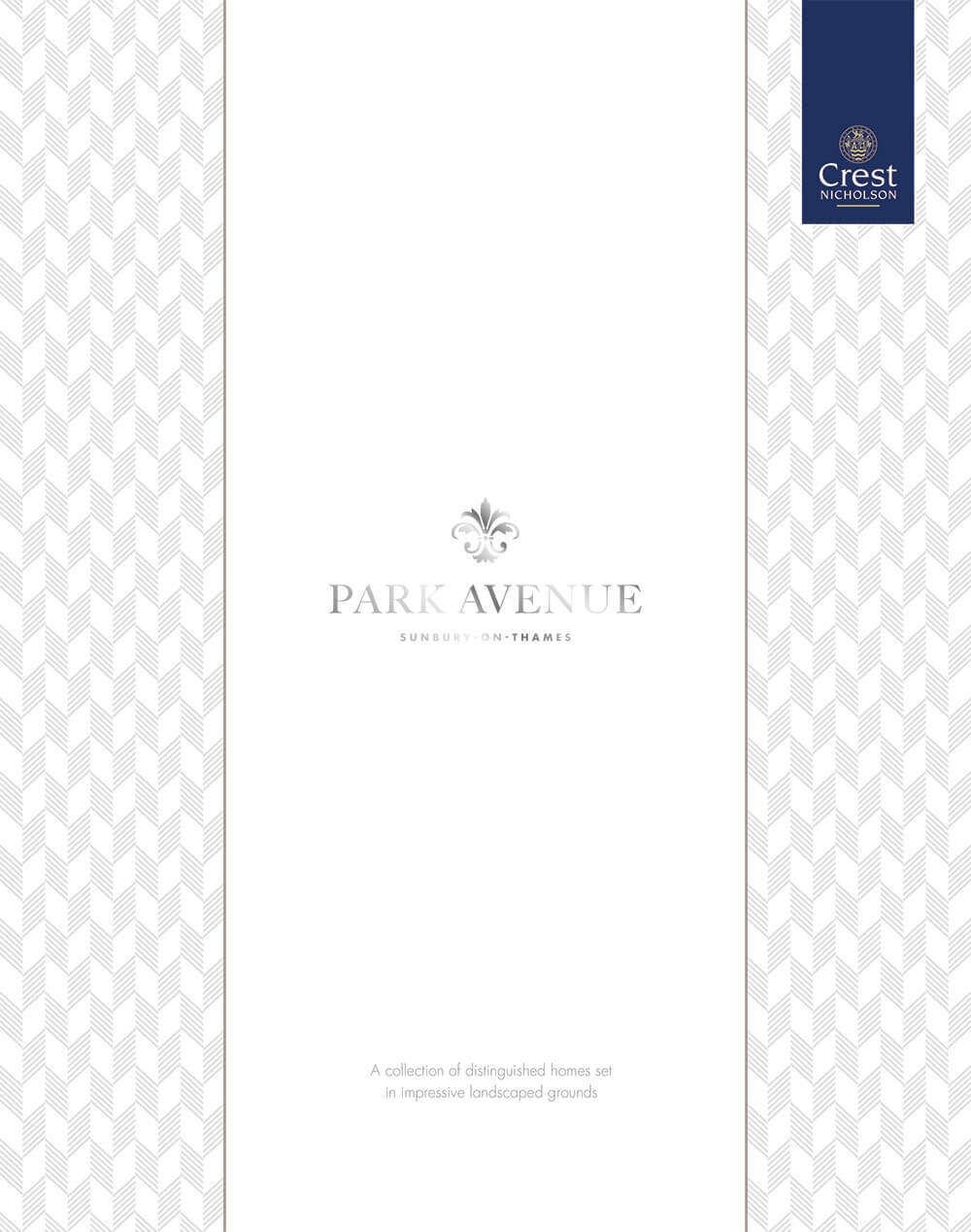
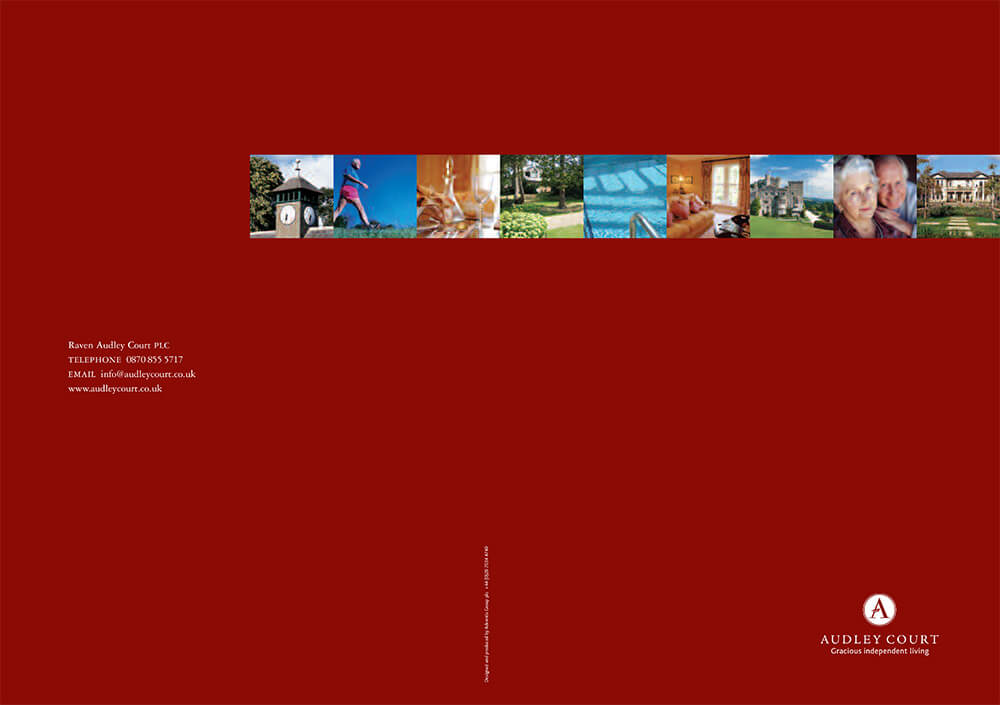
My clients have included Ballymore, Berkeley Group, Crest Nicholson, CBRE, Knight Frank and E E Smith Contracts, spanning residential development, commercial property, consultancy and specialist construction.
People don’t buy a floor plan
A floor plan tells somebody where the rooms are. It doesn’t necessarily explain what living there might be like.
When people consider buying a home, they’re imagining a possible future. The morning routine. The journey to work. Somewhere for the children to play. A garden, a view, a neighbourhood or simply enough room to stop falling over everybody else.
Good residential property copywriting gives those possibilities some substance.
It brings together the architecture, layout, specification, location and surroundings to help potential buyers understand both the practical qualities of the property and the appeal of living there.
But imagination has its limits.
A modest courtyard doesn’t become an extensive landscaped garden because the brochure needs another selling point. And a fifteen-minute journey doesn’t become five because somebody has an optimistic view of traffic.
The aim is to make a property appealing.
Not fictional.
The address is only the beginning
Location matters in property. But saying somewhere is in a desirable location doesn’t explain very much. Desirable to whom? And why?
A family may be interested in schools, parks and space. A first-time buyer might prioritise transport connections, affordability and local amenities. Someone downsizing may have an entirely different set of requirements.
The same development can appeal to several groups for different reasons.
I’ll research the location, establish what’s genuinely relevant and build those details into the wider story.
Sometimes that means describing the surrounding neighbourhood, its character and the things that make it distinctive.
Sometimes it means knowing when to stop talking about artisan coffee shops and mention the railway station.
Property brochures need more than attractive photographs
A good property brochure has several jobs.
It needs to create interest, establish the character of the development, communicate practical information and help somebody understand what they’re considering buying. The writing has to work alongside photography, floor plans, specifications and design.
It requires a balance between aspiration and information. The opening may establish the character and appeal of a development. Later sections need to explain the accommodation, specification, amenities, surroundings and other details that matter to the buyer.
And because the copy shares the page with images, plans and design elements, it needs to be written with the finished brochure in mind.
A thousand wonderful words aren’t much use if the designer has room for three hundred.
Commercial property is a different conversation
Somebody considering a warehouse, office building, retail unit or commercial development generally has more pressing concerns than whether the kitchen feels welcoming.
Location remains important, but for different reasons.
Transport links, accessibility, floor space, facilities, operating costs, flexibility, infrastructure and proximity to customers, employees or suppliers can all influence a decision.
Investors may be considering income, demand, asset management or future opportunities. Occupiers will have their own operational requirements.
Good commercial property copywriting addresses those questions clearly, presenting the relevant benefits without obscuring the underlying facts.
It isn’t necessarily less persuasive than residential marketing. It’s simply persuading somebody about different things.
Construction companies have something to prove
Construction marketing presents another challenge.
A prospective client isn’t buying an imagined lifestyle. They’re considering whether your organisation has the expertise, resources and experience to deliver a project successfully.
That means explaining what you do, where you specialise and why somebody should trust you.
General contractors, specialist subcontractors, architects, engineering consultancies, building product manufacturers and construction technology businesses all need different approaches.
And while every company understandably describes itself as experienced, innovative and committed to quality, those claims become considerably more useful when supported by evidence.
I’ll look for the projects, technical capabilities, practical experience and working methods that distinguish your business.
A well-written project case study can often say more than several pages about your commitment to excellence. Particularly if it explains what was difficult and how you dealt with it.
Technical detail deserves proper attention
Property and construction projects involve a great deal of information that cannot simply be improved with adjectives.
Building specifications, materials, dimensions, energy performance, construction methods, sustainability claims and technical capabilities all need careful handling.
I’ll work from approved plans, specifications, project information and contributions from the relevant specialists.
If something is unclear, I’ll ask.
If a claim requires evidence, I’ll flag it.
And if a feature is proposed rather than confirmed, the writing needs to reflect that distinction.
The architects, engineers, surveyors and technical specialists remain responsible for their expertise.
My job is to communicate it accurately and understandably.
Property and construction copywriting services
I provide copywriting for residential and commercial developers, housebuilders, construction companies, architects, property consultancies, estate agents, investors and businesses throughout the built environment. Projects can include:
- Residential development brochures and marketing copy
- Commercial property marketing and investment particulars
- Property and construction website copy
- Development naming and brand messaging
- Property advertising and launch campaigns
- Construction company profiles and capability statements
- Project case studies and development profiles
- Architectural and technical project descriptions
- Property investment and corporate communications
- Construction and property blogs and articles
- Annual reports and sustainability content
- White papers and thought leadership
I can work directly with your business or alongside your property marketing agency, architect, designer, development team or technical specialists.
The interesting part isn’t always obvious
My career began in journalism, followed by government speechwriting and commercial copywriting.
It’s involved researching unfamiliar subjects, interviewing specialists, understanding different audiences and finding the details that make a message distinctive.
That’s useful in property and construction, where the interesting part of a project isn’t always the most obvious.
Sometimes it’s the architecture. Sometimes it’s the location, the engineering, the people involved or an unexpected solution to a difficult problem.
The trick is recognising which details matter to the intended reader.
And which ones don’t.
Got something worth building a story around?
Perhaps you’re launching a residential development, preparing a commercial property brochure, rewriting your construction company’s website or trying to explain a project that’s considerably more interesting than the existing copy suggests.
Send me the brief, the plans, the photographs or whatever you’ve got.
I’ll ask a few questions.
Then I’ll tell you whether I can help.
WHAT I WRITE ABOUT
There are no dull subjects. Only dull writers.
Lost for words?
info@tomrigby.com
+44 (0) 7715 171286